Most of us don’t give our veins much thought — but vein problems are more common than you might think. In the United States alone, about 1 in 4 adults has varicose veins, and if you include spider veins, that number jumps dramatically, affecting the majority of people.
When everything’s working properly, veins are quiet overachievers, diligently working in the background doing their job day in and day out. It’s only when one decides to make a surprise appearance—or your legs start feeling heavier than usual—that they finally demand your attention.
Even then, vein problems are easy to shrug off.
A few visible veins? Just cosmetic.
Aching legs at the end of the day? Probably normal.
Something to deal with later… maybe.
But here’s the catch: vein problems aren’t always just a surface-level issue. What starts as a minor annoyance can be your body waving a small—but important—red flag. These issues often develop quietly, and as they’re usually progressive, ignoring them can lead to persistent discomfort, visible skin changes, and sometimes more serious health concerns.
Before we get into symptoms and solutions, let’s take a quick look at what your veins actually do—and why they sometimes need a little backup.
How Veins Work (A Job That Defies Gravity)
Your veins are the unsung heroes of your circulatory system, carrying blood from your legs back up to your heart. Unlike arteries, veins have a tougher assignment: moving blood upward, against gravity. Not exactly a light lift.
To make this happen, your body relies on two clever helpers:
- Your calf muscles, which act like natural pumps
- Tiny one-way valves inside your veins, which keep blood moving in the right direction
Every time you walk, stretch, or move your legs, your calf muscles gently squeeze the veins, pushing blood upward toward the heart. Once the blood moves up, the valves close behind it, preventing it from sliding back down.
When this system works well, you never notice it. When it doesn’t? That’s when vein problems quietly start making themselves at home.
How Vein Problems Develop
Vein problems most often begin when the one-way valves inside the veins weaken or become damaged. When valves fail, blood can flow backward and pool in the legs, increasing pressure inside the veins and causing them to stretch, twist, and become more visible.
In the early stages, symptoms are subtle and easy to dismiss. Over time, untreated vein problems can worsen, leading to discomfort and skin changes. In other words, what starts as “just one of those things” rarely stays that way.
Signs Your Veins May Be Asking for Help
Vein problems often sneak up on you. Many people live with symptoms for years before realizing they’re connected. Watch for:
- Aching, heavy, or tired legs
- Swelling in the ankles or lower legs
- Throbbing, burning, or cramping sensations
- Itching or tingling around visible veins
- Skin discoloration or texture changes
- Veins that appear bulging, twisted, or rope-like
- Symptoms that worsen after long periods of sitting or standing
If you’re nodding along to more than one of these, your veins may be working harder than they should.
Different Types of Vein Problems
Not all vein problems look or feel the same. Some are mild, while others can significantly affect comfort and circulation.
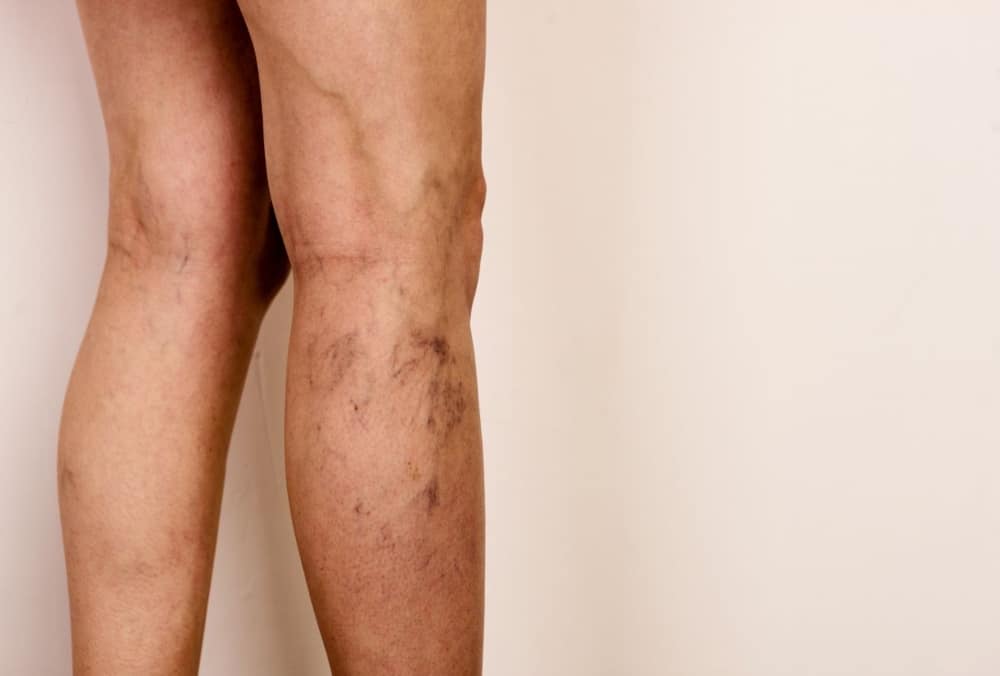
Spider Veins – Small, web-like veins near the skin’s surface. Usually harmless, but can indicate circulation issues.
Varicose Veins – Larger, bulging veins that can cause aching, heaviness, and swelling. Often worsen without treatment.
Chronic Venous Insufficiency (CVI) – Weakened valves make it difficult for blood to return to the heart, leading to ongoing swelling, skin changes, and discomfort.
Venous Ulcers – Slow-healing wounds, typically around the ankles, caused by poor circulation in advanced cases.
Why Ignoring Vein Problems Isn’t Doing You Any Favors
Because vein problems develop gradually, it’s tempting to take a “wait and see” approach. Unfortunately, they rarely resolve on their own.
As pressure builds, symptoms may worsen, and complications can occur, ranging from skin damage and infections to increased risk of blood clots.
The good news? Early evaluation and treatment can often slow or stop progression, relieve discomfort, and make daily life more comfortable. Modern vein care is also far less intimidating than you might think.
Can Vein Problems Be Prevented?
While genetics and age play a role, there are simple ways to support vein health and reduce strain:
- Stay active and walk regularly
- Avoid standing or sitting in one position for long periods
- Elevate your legs when resting
- Maintain a healthy weight
- Wear compression stockings if recommended
- Stay well hydrated
Small habits go a long way—think of it as giving your veins a little extra TLC.
Vein Care Close to Home in Missouri
Vein problems don’t wait for a convenient moment, and access to care shouldn’t be a barrier. With offices in Town and Country, Florissant, Swansea, Kirkwood, and Mehlville, MINT makes expert vein care accessible across the St. Louis area—so you don’t have to travel far to get answers or relief.
A Gentle Next Step (No Dramatics Required)
If you’ve been quietly wondering whether the aches, swelling, or visible veins in your legs are “normal,” it may be time for some clarity. Many people delay care because vein treatment sounds intimidating—but modern options are non-surgical, minimally invasive, and designed with comfort in mind.
Most procedures take less than an hour, require minimal downtime, and allow patients to return to their regular routine quickly. No operating rooms, no long recoveries, just care that works with your life, not against it.
Vein problems rarely improve on their own, but early evaluation can make a real difference. A simple consultation can offer clarity, reassurance, and a treatment plan tailored to you—helping you feel better, move easier, and enjoy everyday life without distraction. Don’t ignore the signs of vein problems. Contact Midwest Institute for Non-Surgical Therapy (MINT) today. Your legs will thank you.