Relief from leg pain, swelling, and visible veins—without surgery.
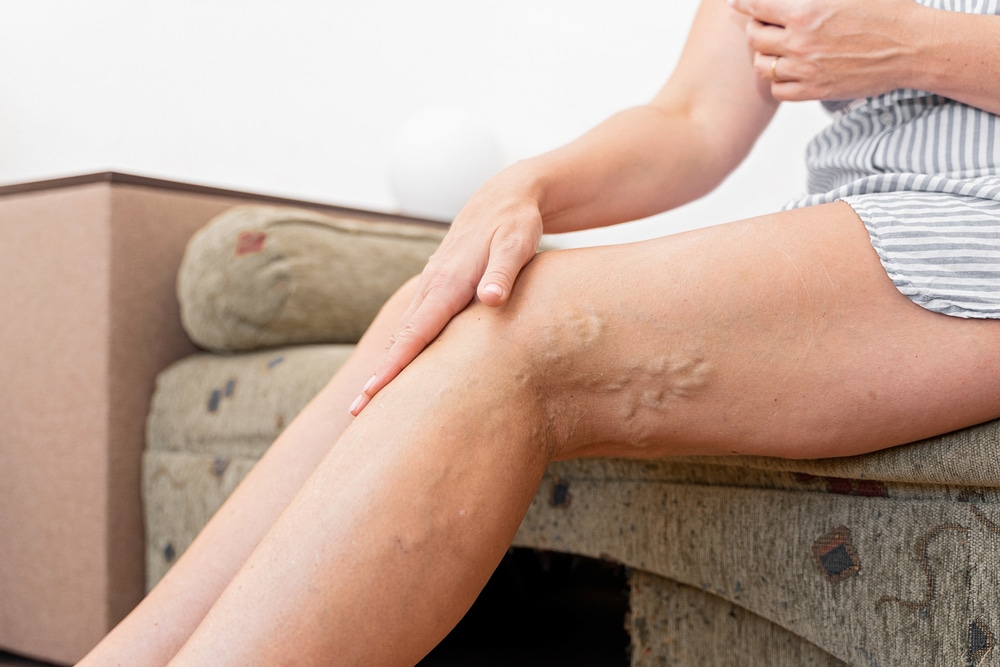
If you’re experiencing aching legs, heaviness, or bulging veins, the issue may be more than cosmetic. These symptoms are often caused by underlying vein disease affecting blood flow in the legs.
At Mint STL, we take a comprehensive approach to diagnosing and treating vein conditions—addressing both visible veins and the underlying causes to deliver lasting relief.
What Are Varicose Veins & Venous Insufficiency?
Varicose veins and venous insufficiency are not separate conditions—they are part of the same underlying problem known as superficial venous disease.
Healthy veins contain one-way valves that keep blood flowing upward toward the heart. When these valves weaken or fail, blood begins to flow backward and pool in the legs.
Over time, this increased pressure leads to:
- Enlarged, twisted veins (varicose veins)
- Leg swelling and discomfort
- Progressive vein damage
While varicose veins are often the most visible sign, they are typically a result of deeper circulation issues within the venous system.
Symptoms of Vein Disease
Vein disease can develop gradually and worsen over time. Common symptoms include:
Early Signs
- Spider veins
- Mild visible veins
- Occasional leg fatigue
Progressive Symptoms
- Aching, throbbing, or heaviness in the legs
- Swelling in the lower legs or ankles
- Burning, itching, or cramping
- Restless legs, especially at night
Advanced Symptoms
- Skin discoloration around the ankles
- Thickened or hardened skin
- Slow-healing wounds or ulcers
If your symptoms worsen after long periods of standing or improve when you elevate your legs, vein disease may be the cause.
What Causes Vein Disease?
Vein disease develops when pressure builds inside the veins due to valve dysfunction. Over time, this pressure stretches the veins and further weakens the valves—creating a cycle that leads to worsening symptoms.
Common contributing factors include:
- Genetics or family history
- Pregnancy
- Prolonged standing or sitting
- Obesity
- Aging
- Hormonal changes
In many cases, this process begins in the superficial veins—but for some patients, deeper vein issues may also play a role.
Looking Beyond Surface Veins: When Deeper Issues Are Involved
While most vein conditions originate in the superficial system, some patients have underlying problems in the deeper veins of the pelvis or abdomen that affect how blood flows out of the legs.
One of the most common examples is iliac vein compression (also known as May-Thurner syndrome). This occurs when a vein in the pelvis is compressed, restricting normal blood flow and increasing pressure in the leg veins.
When this happens, it can contribute to:
- Persistent or recurrent varicose veins
- Leg swelling, often more pronounced on one side
- Heaviness, aching, or fatigue
- Symptoms that don’t fully resolve with prior treatment
Because these deeper issues are not always visible on the surface, they can go undetected without a more comprehensive evaluation.
When Advanced Vein Evaluation May Be Recommended
Most patients are evaluated using a noninvasive ultrasound. However, additional imaging may be appropriate if your symptoms suggest a more complex underlying cause.
This may include patients with:
- Significant or one-sided leg swelling
- Symptoms that seem disproportionate to visible veins
- Recurrent varicose veins after previous treatment
- Pelvic discomfort or unexplained leg pain
- A history of blood clots (DVT)
In these cases, further evaluation helps ensure that no contributing factors are missed.
Advanced Diagnostic Options
When needed, we use advanced imaging techniques to better understand your circulation and identify any hidden areas of narrowing or obstruction.
Duplex Ultrasound
A first-line, noninvasive study used to evaluate blood flow in both superficial and deep veins.
Venography with IVUS (Intravascaular Ultrasound)
A minimally invasive procedure that allows us to evaluate the vein from the inside in real time.
- Considered the most precise way to assess iliac vein compression
- Helps guide targeted, effective treatment decisions
CT or MR Venography
Provides detailed imaging of the pelvic and abdominal veins to detect compression or narrowing that may not appear on ultrasound.
Why Treatment Matters
Vein disease is progressive. What begins as visible veins or mild discomfort can develop into chronic swelling, skin changes, and even non-healing wounds over time.
Treating the condition early helps:
- Relieve pain and heaviness
- Reduce swelling
- Prevent skin damage and complications
- Improve both function and appearance
By identifying and treating both superficial and deeper causes when present, we’re able to achieve more complete and lasting results.
Vein Treatment Options
Treatment is tailored to your specific condition and may involve addressing superficial veins, deeper vein issues, or both.
Conservative Care
- Compression stockings
- Lifestyle modifications
- Leg elevation
Minimally Invasivae Vein Procedures
Endovenous Ablation
Uses heat or energy to close diseased veins and redirect blood flow to healthy veins.
VenaSeal™
A medical adhesive that seals malfunctioning veins without heat or multiple injections.
Sclerotherapy
Targets smaller veins by injecting a solution that causes them to collapse and fade.
Microphlebectomy
Removes larger surface veins through tiny, nearly invisible incisions.
Treatment for Iliac Vein Compression (When Indicated)
If significant vein compression is identified and clearly contributing to your symptoms, treatment may include:
Venous Stenting
A small, flexible stent is placed within the compressed vein to restore normal blood flow.
This can help:
- Reduce pressure in the leg veins
- Improve swelling and discomfort
- Enhance the effectiveness of superficial vein treatments
Not all patients require stenting. Treatment is recommended only when imaging findings and symptoms align.
What to Expect
- Performed in-office or outpatient setting
- Minimal discomfort
- Little to no downtime
- Long-lasting symptom relief
Why Choose Mint STL
- Expertise in both cosmetic and medical vein conditions
- Advanced diagnostic and treatment capabilities
- Minimally invasive, patient-focused care
- Personalized treatment plans based on your full clinical picture
We don’t just treat what you can see—we treat the underlying cause to deliver real, lasting results.
Take the First Step Toward Relief
You don’t have to live with leg pain, swelling, or visible veins. With the right diagnosis and treatment plan, relief is possible.
Frequently Asked Questions
Are varicose veins the same as venous insufficiency?
Varicose veins are a visible symptom of venous insufficiency, which is the underlying condition affecting blood flow.
Could my symptoms be caused by a deeper vein issue?
In some cases, yes. Conditions like iliac vein compression can contribute to leg symptoms and may require additional evaluation.
Are treatments painful?
Most treatments are minimally invasive and involve little to no discomfort with quick recovery times.
Is treatment covered by insurance?
If you have symptoms such as pain, swelling, or skin changes, treatment is often considered medically necessary and may be covered.