
At a glance:
- Pelvic pain or heaviness has many possible causes—gynecologic, urinary, gastrointestinal, musculoskeletal, and venous.
- For some patients, symptoms are related to pelvic congestion syndrome (PCS) (pelvic vein reflux/varices).
- PCS symptoms often worsen with standing and may be associated with leg or vulvar varicose veins.
- Severe sudden pain, heavy bleeding, fever, or pregnancy-related concerns require urgent evaluation.
What pelvic heaviness can feel like
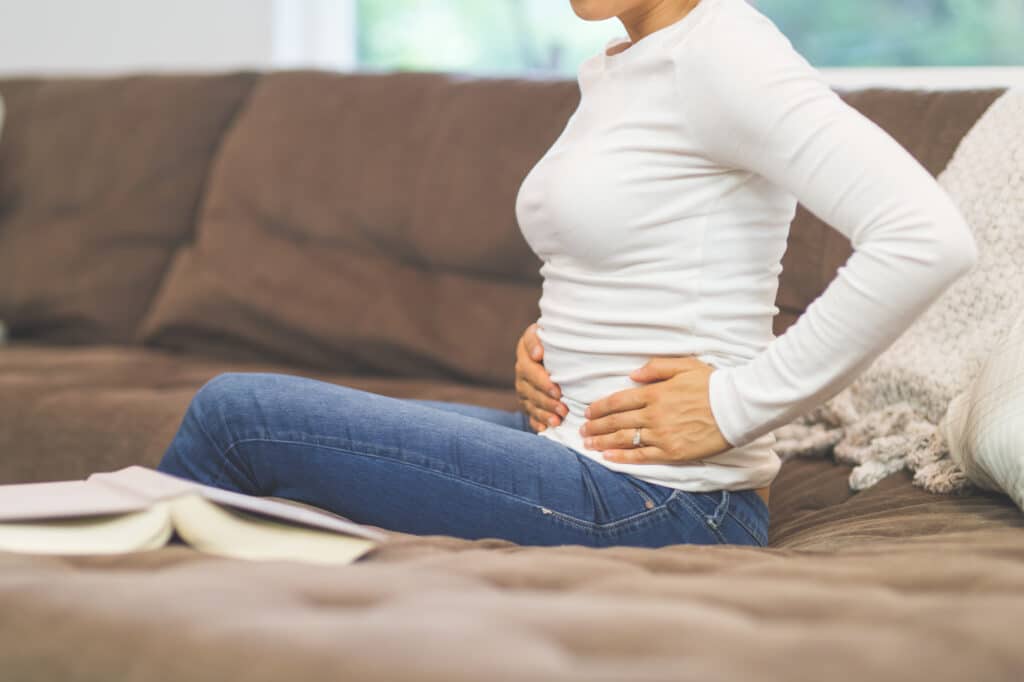
Patients describe PCS-type symptoms in different ways: a dull pelvic ache, heaviness or pressure, worsening discomfort after standing, or pain that is worse later in the day.
Some notice symptoms after pregnancy, during the menstrual cycle, or with prolonged standing.
Important: many conditions can cause pelvic pain
Pelvic pain can come from many causes (for example, fibroids, endometriosis, ovarian cysts, infections, urinary issues, bowel issues, or musculoskeletal pain).
A PCS evaluation is most helpful when symptoms and prior workup suggest a venous contribution.
- If you have not had a gynecologic evaluation, it’s often appropriate to coordinate that as part of your care plan.
When PCS may be considered
PCS is associated with dilated pelvic veins and pelvic vein reflux. While only an evaluation can determine the cause of symptoms, PCS is more likely to be considered when you have patterns like:
- Chronic pelvic heaviness/ache (often > 6 months)
- Worse with standing, better with lying down
- Worse later in the day or after long periods on your feet
- Associated varicose veins (legs, vulvar/pelvic region)
- History of multiple pregnancies
Red flags: when to seek urgent or emergency care
Seek urgent evaluation if you have:
- Sudden severe pelvic pain, fainting, or severe weakness
- Heavy vaginal bleeding
- Fever or concern for infection
- Pregnancy with significant pain or bleeding
- Severe one-sided lower abdominal pain
How we evaluate pelvic venous causes
We start with a detailed symptom history and review prior imaging/testing. When appropriate, evaluation may include pelvic ultrasound and/or other imaging to assess the pelvic veins.
If PCS is suspected, we’ll discuss whether minimally invasive embolization is appropriate and what outcomes and recovery typically look like (without guarantees).
Next step
If pelvic heaviness is affecting your quality of life and PCS is a possibility, the next step is an evaluation to review symptoms, prior testing, and whether a venous pathway makes sense.
If pregnant or severe acute pain/bleeding, seek urgent care
Medical information on this page is for general education and is not a substitute for personalized medical advice. If you believe you have an emergency, call 911.
FAQs
What is pelvic congestion syndrome (PCS)?
PCS refers to pelvic vein reflux/varices that can contribute to chronic pelvic aching or heaviness in some patients.
How is PCS diagnosed?
Diagnosis is based on symptoms, exam, and imaging. Evaluation often involves reviewing prior gynecologic workup and assessing pelvic veins with appropriate imaging.
Is embolization surgery?
Embolization is typically minimally invasive and image-guided. Whether it’s appropriate depends on evaluation.
Can PCS cause leg varicose veins?
In some cases, pelvic veins can contribute to varicose veins in the pelvis or legs.
What other conditions should be ruled out?
Pelvic pain can have many causes; evaluation often includes coordination with gynecology and review of prior studies.