
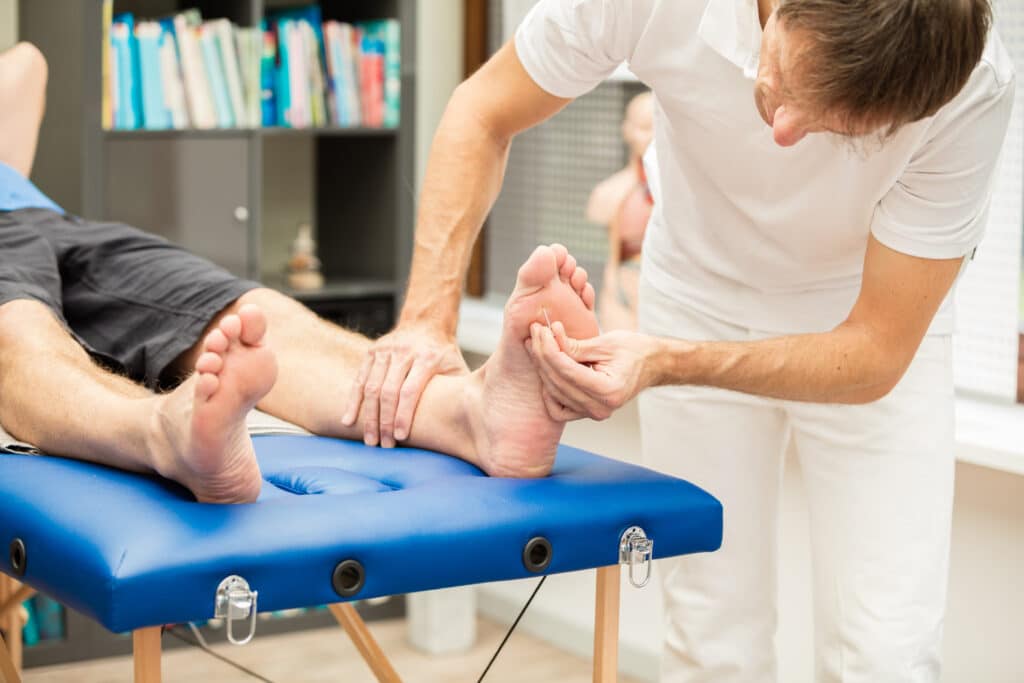
Diabetic neuropathy can cause burning pain, tingling, numbness, and reduced sensation most often in the feet. Treatment is usually a plan, not a single fix: it focuses on controlling diabetes-related drivers, improving comfort, and reducing complications like foot ulcers.
At MINT, we evaluate symptoms and also consider whether circulation problems (PAD) may be contributing especially when there are wounds, cold toes, or walking-related leg pain.
At a glance:
- Goal #1: reduce pain and improve daily function.
- Goal #2: protect foot health and reduce ulcer/infection risk.
- Goal #3: identify circulation problems (PAD) that may overlap with neuropathy and affect healing.
- Treatment plans often combine lifestyle, medical management, nerve-pain therapies, and referrals when needed.
What causes diabetic neuropathy?
Over time, elevated blood sugar can damage nerves and the small blood vessels that support them. Diabetes can also impact circulation, which is why neuropathy and PAD sometimes coexist.
Our evaluation approach
We start by understanding your symptom pattern and risk factors, reviewing your medical history, and checking for warning signs such as wounds or significant circulation changes.
If symptoms suggest reduced blood flow, we may recommend circulation testing and imaging to evaluate for PAD.
- Symptom pattern and severity (burning vs numbness vs balance issues)
- Foot exam and risk screening (skin changes, wounds, temperature/color differences)
- Circulation assessment when appropriate (especially for ulcers/cold toes/claudication)
- Coordination with your diabetes care team and/or specialists as needed
Treatment pathways (what may be included)
Your plan depends on what’s driving your symptoms and your goals. Common components include the following categories:
- Diabetes optimization (often with your PCP/endocrinology): blood sugar management, nutrition, activity, and risk-factor control.
- Medications for nerve pain (managed by your prescribing clinician): may include nerve-pain medications or topical options based on your history.
- Physical therapy + balance strategies to reduce fall risk and improve mobility.
- Foot protection and ulcer prevention: daily foot checks, appropriate footwear, and early evaluation of any skin breakdown.
- Nerve stimulation / neuromodulation options for selected patients with painful neuropathy (for example: TENS; and in certain cases, spinal cord stimulation with a pain specialist).
- PAD treatment when present: if reduced blood flow is contributing to pain or wounds, circulation-focused treatment may be important. (See PAD and Limb Salvage pages.)
Why circulation (PAD) matters in diabetic neuropathy
Diabetes can affect both nerves and arteries. When PAD is present, it can worsen pain, limit walking ability, and delay wound healing. Identifying PAD early can be important for long-term limb health.
- If you have calf cramping with walking, cold toes, color changes, or a wound that won’t heal, ask about circulation evaluation.