Vein ablation is a minimally invasive treatment that gently closes unhealthy veins to improve circulation and reduce symptoms like heaviness, swelling, or aching in your legs. At Midwest Institute for Non-Surgical Therapy (MINT), you can receive advanced, image-guided care that helps redirect blood flow to healthier veins for lasting relief. Our team, led by board-certified interventional radiologist Dr. Goke Akinwande, emphasizes your comfort and long-term well-being during every appointment.
How Vein Ablation Works
Vein ablation works by using laser or radiofrequency energy to seal the problematic vein. This helps alleviate pressure in the legs while improving symptoms associated with venous insufficiency or varicose veins.
During your appointment, your provider:
- Uses ultrasound to guide a small catheter into the affected vein
- Delivers controlled heat (laser or radiofrequency) through the catheter
- Gently seals the vein, allowing blood to reroute through healthier vessels
The procedure typically lasts about 20 minutes, and most people return to their normal activities the next day.
Benefits of Vein Ablation
Vein ablation offers several advantages for those seeking relief from vein-related discomfort:

- Performed in an outpatient setting
- Minimally invasive with no large incisions
- Quick recovery and minimal downtime
- Effective improvement in symptoms
- Long-term benefits for circulation
- Reduced risk of complications
Many people appreciate how easily the treatment fits into their routine while delivering noticeable relief.
Vein Ablation Candidates
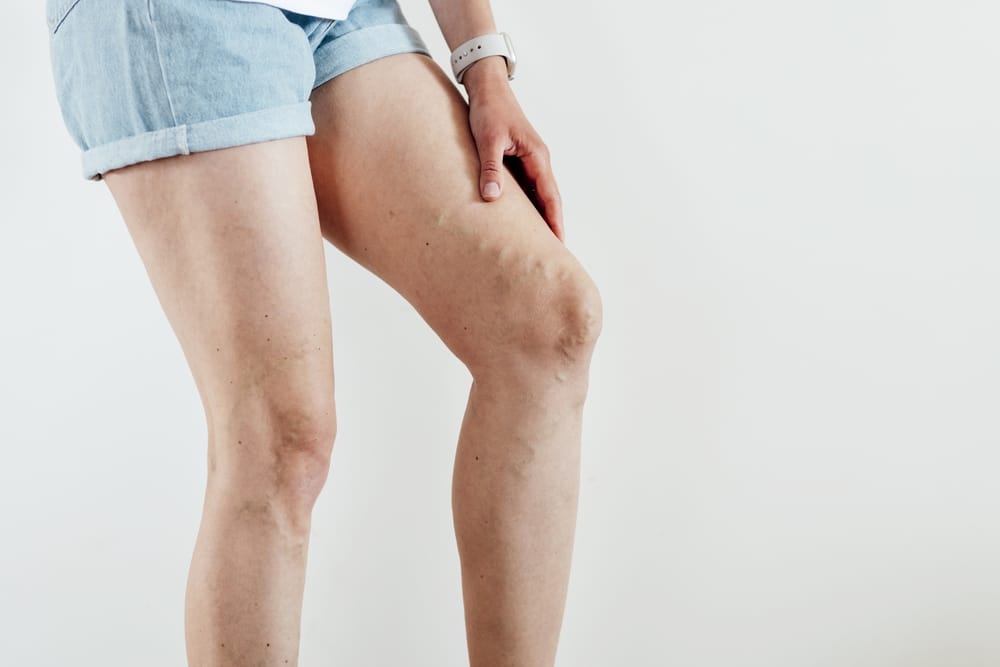
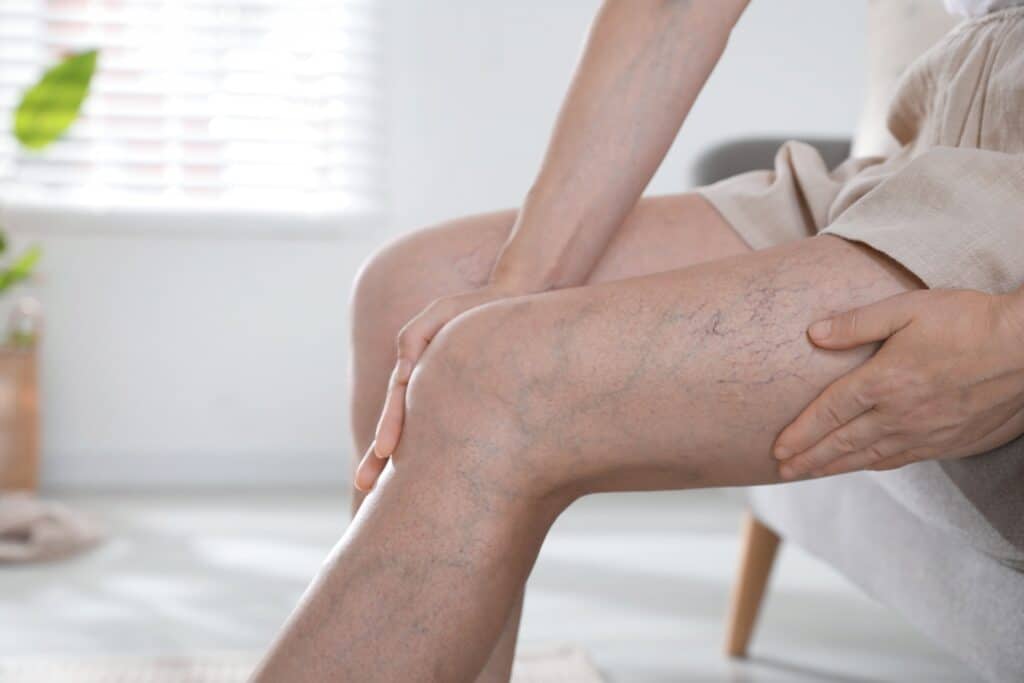
Vein ablation is often recommended for individuals dealing with venous insufficiency symptoms, such as leg pain, swelling, heaviness, fatigue, or visible varicose veins.
Ideal candidates typically have damaged or poorly functioning veins confirmed through ultrasound imaging. Those who have not found relief with conservative measures like compression stockings or lifestyle changes may also benefit.
Candidates should be in generally good health and able to walk regularly after the procedure to support circulation. A personalized evaluation helps determine whether vein ablation is appropriate based on the severity of symptoms and overall vascular health.
Types of Veins Ablation Can Treat
Vein ablation is most commonly used to treat larger, deeper veins affected by venous insufficiency, particularly the great saphenous vein (GSV) and small saphenous vein (SSV).
These veins play a key role in circulation and, when damaged, can lead to symptoms like swelling, aching, and visible varicose veins. By closing these malfunctioning veins, blood is naturally redirected to healthier vessels.
Vein ablation may also be used for accessory veins contributing to reflux. Smaller surface veins, such as spider veins, are typically treated with other methods like sclerotherapy rather than ablation.
Why Choose MINT for Vein Ablation in St. Louis, MO?
Patients choose MINT for vein ablation because:
- They receive treatment guided by advanced ultrasound imaging
- Care plans are tailored to their symptoms, activity level, and goals
- Twilight sedation is available for enhanced comfort
- The atmosphere is warm, supportive, and patient-centered
- Clear communication helps them feel confident in each step
- The practice is committed to accessible, compassionate vein care
When you work with the team at MINT, you can trust that your comfort and long-term results are the driving force behind every treatment decision.
FAQs
Is Vein Ablation Painful?
Vein ablation is generally well tolerated and designed with patient comfort in mind. A local anesthetic is used to numb the treatment area, so most people feel little to no pain during the procedure. Twilight sedation is also available if needed. You may notice mild pressure or a warming sensation as the energy is delivered.
Afterward, some tenderness, tightness, or minor bruising can occur, but these effects are usually short-lived. Many patients find any discomfort manageable and are able to return to normal daily activities quickly.
Will I Need Multiple Treatment Sessions?
The number of sessions needed depends on the extent of your vein condition and how many veins are affected. Some individuals experience significant relief after a single treatment, especially if only one major vein is involved. Others may require additional appointments to address multiple veins or achieve optimal results. Follow-up visits allow your provider to monitor progress and determine if further treatment is needed.
How Soon Will I Notice Symptom Improvement?
Many people begin to notice improvements in heaviness, aching, and swelling a few days after vein ablation. As healing continues, circulation improves, and discomfort often continues to decrease over the following weeks. Visible changes in varicose veins may take a bit longer as the body gradually absorbs the treated vein. Walking and following post-procedure instructions can support recovery and help you experience the full benefits of treatment more quickly.
Are the Results of Vein Ablation Permanent?
Vein ablation permanently closes the treated vein, and it will not reopen once successfully sealed. Over time, the body naturally absorbs the vein while blood flow is redirected to healthier vessels. However, vein disease is progressive, so new varicose veins can develop in other areas over time.
Maintaining an active lifestyle, wearing compression stockings as recommended, and attending follow-up visits can help sustain long-term results and reduce the likelihood of additional vein-related concerns.
What Should I Do To Prepare for Vein Ablation?
Preparing for vein ablation is usually simple and involves a few practical steps. Your provider may review your medications and ask you to pause certain blood thinners beforehand. Wearing loose, comfortable clothing on the day of treatment can help, especially for easy access to the treatment area. You may also be advised to stay hydrated and eat a light meal.
Start Feeling Better With Vein Ablation
If vein-related leg discomfort is impacting your daily life, vein ablation may offer the relief you need. Call 314-255-2204 to schedule a visit today at your preferred location in the St. Louis area. With the right treatment, you can enjoy lighter, healthier-feeling legs and a renewed sense of comfort.