Leg swelling, heaviness, and varicose veins may seem like problems you can live with, but what happens when vein disease begins to affect your skin? For some people, untreated venous insufficiency can lead to slow-healing sores called venous leg ulcers.
At the Midwest Institute for Non-Surgical Therapy (MINT), we evaluate and treat venous insufficiency with minimally invasive, image-guided care. Led by board-certified Interventional Radiologist Dr. Goke Akinwande, our team helps patients reduce symptoms, support quality of life, and avoid major surgery when possible.
What Is Venous Insufficiency?
Venous insufficiency develops when the leg veins have trouble moving blood back toward your heart. Healthy veins have small valves that help blood flow upward. When those valves weaken or fail to close properly, blood can pool in the legs and increase pressure.
Common symptoms of venous insufficiency may include:
- Aching, heaviness, or tiredness in the legs
- Swelling in the ankles or lower legs
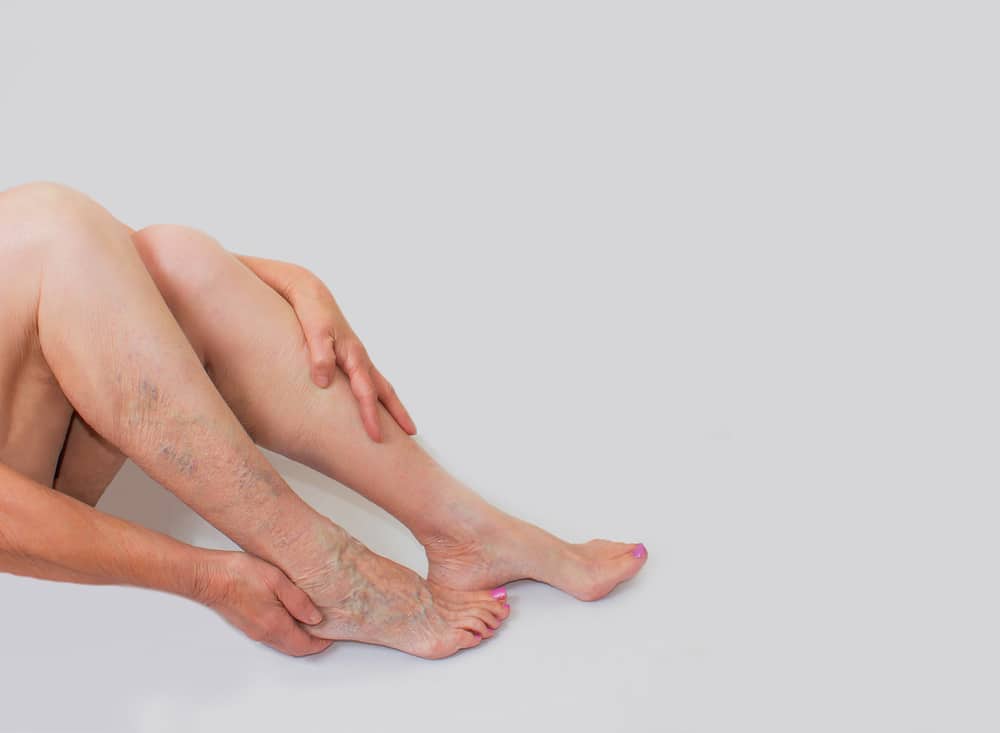
- Varicose veins
- Itching or irritated skin
- Skin discoloration near the ankles
- Cramping or throbbing
- Sores that are slow to heal
How Can Venous Insufficiency Cause Leg Ulcers?
When blood pools in the legs over time, pressure builds in the veins. This can affect the surrounding skin and soft tissue. The skin may become thin, dry, inflamed, discolored, or firm before an ulcer appears.
A venous leg ulcer is a wound that does not heal normally because circulation and pressure in the lower leg are not working as they should. These ulcers often form near the ankle, especially on the inner part of the lower leg.
Not everyone with venous insufficiency will develop an ulcer. However, the risk may rise when vein disease goes untreated or when other health concerns, such as obesity, limited mobility, a history of blood clots, or diabetes-related wound-healing concerns, are also present.
Warning Signs You Should Not Ignore
Skin changes can be an early sign that venous insufficiency is worsening. Pay attention if you notice:
- Brown, red, or purple discoloration around the ankle
- Dry, flaky, itchy, or irritated skin
- Swelling that worsens later in the day
- A small sore that does not improve
- Drainage from the skin
- Increasing tenderness, warmth, or redness
- Thickened or tight skin around the lower leg
Contact a Vein Specialist Today
Venous insufficiency can start with mild discomfort, but it should not be ignored when swelling, skin changes, or wounds appear. Leg ulcers can be painful, slow to heal, and more difficult to manage once they become chronic.
If you are concerned about venous insufficiency, varicose veins, leg swelling, or a non-healing wound, contact Midwest Institute for Non-Surgical Therapy at 314-255-2204 to request an appointment at one of our five locations.