
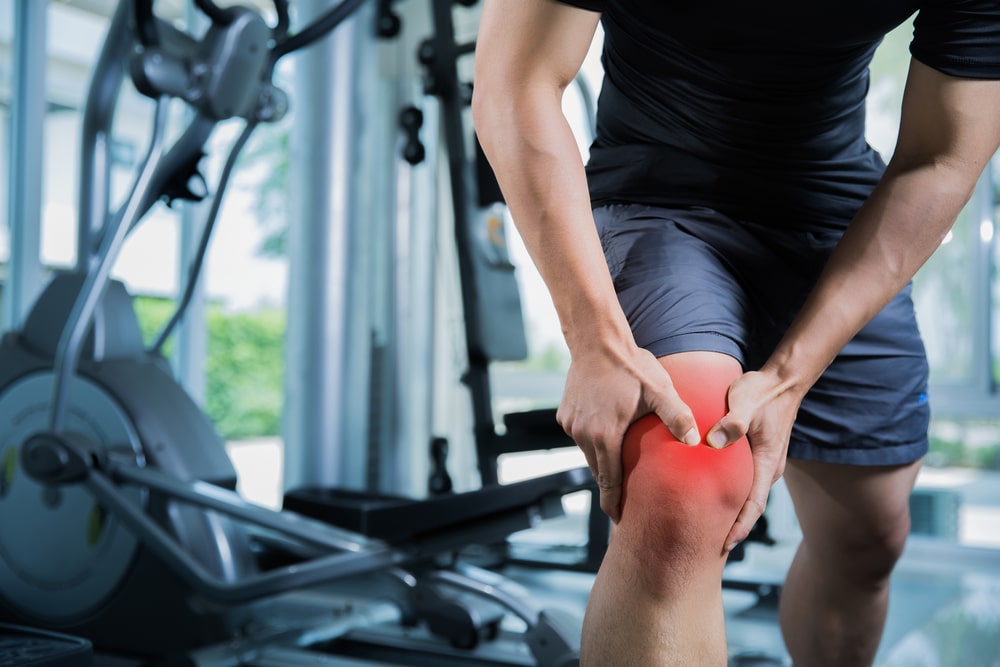
Genicular artery embolization, or GAE, is a minimally invasive treatment that may reduce chronic knee pain by targeting abnormal blood vessels associated with inflammation around the joint. It’s often considered for osteoarthritis-related discomfort that hasn’t improved enough with medication, injections, physical therapy, or other non-surgical care. Unlike knee replacement surgery, genicular artery embolization doesn’t require a large incision or removal of joint tissue.
Serving the St. Louis, MO, area and Swansea, IL, Midwest Institute for Non-Surgical Therapy provides image-guided services for vascular and other health concerns. Medical Director Dr. Goke Akinwande is a board-certified interventional radiologist whose training includes experience at the University of Pittsburgh Medical Center and Johns Hopkins Hospital.
How Does GAE Address Knee Pain?
Osteoarthritis can cause irritation and inflammation inside the knee. As inflammation persists, small arteries around the joint may enlarge, carrying more blood to the affected tissue. This activity can contribute to ongoing soreness, stiffness, and trouble moving comfortably.
During GAE, an interventional radiologist inserts a thin catheter into an artery, commonly through the wrist or groin. Using imaging for guidance, the catheter is moved toward the genicular arteries surrounding the knee. Tiny particles are then released into selected vessels to reduce the excess blood flow associated with inflammation.
Who May Be a Candidate for GAE?
GAE may be considered when knee pain interferes with walking, exercise, work, sleep, or everyday tasks, and symptoms haven’t improved enough with conservative options such as physical therapy, medication, or injections.
It might also be considered when you aren’t ready for knee replacement or can’t undergo major surgery. Candidacy depends on your symptoms, medical history, imaging results, and the underlying cause of your pain. A medical evaluation can help determine whether inflammation-related blood flow is contributing to your discomfort.
What Is Recovery Like?
Most people go home the same day. Since GAE uses a small catheter rather than a surgical incision, recovery is generally shorter than recovery following knee replacement surgery. You’ll receive instructions for caring for the catheter entry site and returning to normal activities.
Relief isn’t always immediate. Pain and mobility may gradually improve in the weeks following treatment as osteoarthritis-related inflammation and pain signaling decrease. Results differ, and GAE won’t reverse arthritis or rebuild damaged cartilage. Its purpose is to reduce symptoms and make daily movement more manageable.
Learn Whether GAE Fits Your Needs
Persistent knee pain can affect nearly every part of your routine, but joint replacement isn’t the only option. Midwest Institute for Non-Surgical Therapy offers GAE in the St. Louis, MO, area and Swansea, IL. To find out whether this treatment may fit your needs, contact us at 314-255-2204 and schedule a consultation at one of our five locations.